Shopping cart
(0 items)

Your shopping cart is empty

Harvesting methods

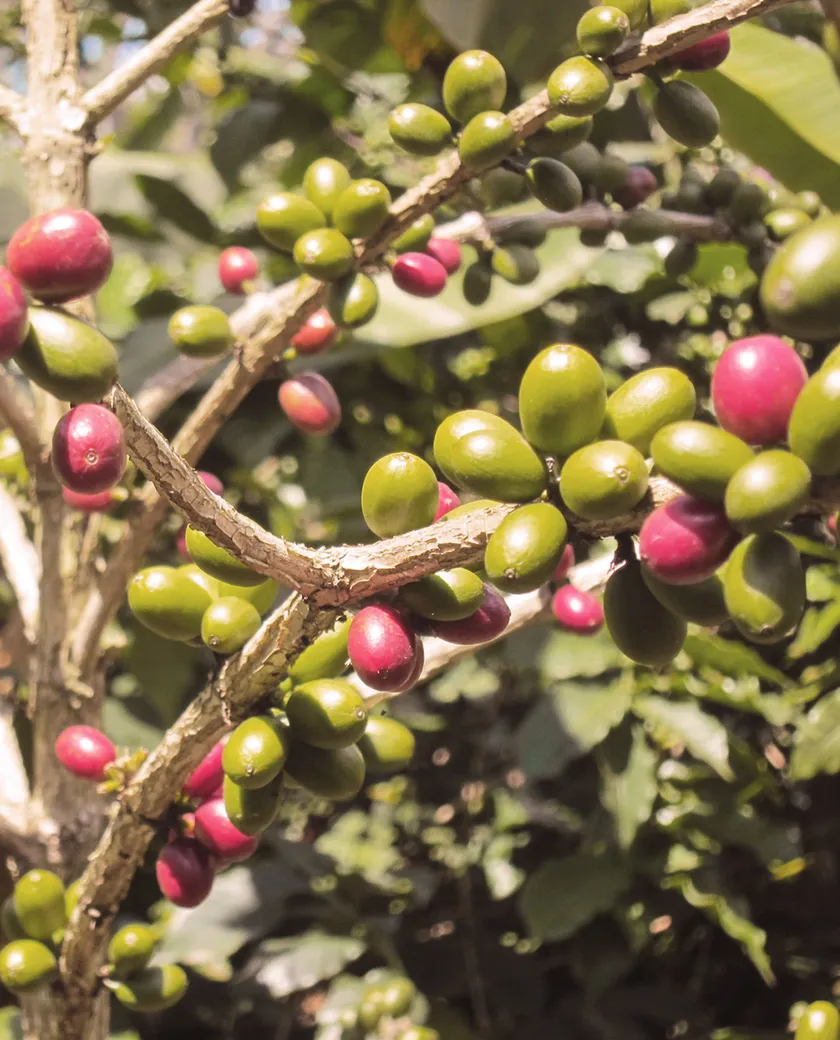
The fruit of the coffee tree takes a long time to reach maturity: coffee plants first produce yields after three or four years and reach their maximum production capacity after six to eight years. This period is also influenced by climate, soil and fertilisation. These circumstances make the coffee tree a plant that needs to be harvested with the utmost care, as not all fruits are ripe at the same time. Various traditional harvesting methods more or less guarantee this.

Picking, stripping or mechanical harvesting

Picking, the most expensive method, is done by hand: this is to guarantee that only the ripe cherries are harvested and the others can continue to ripen. Before further processing, the freshly harvested coffee cherries are also sorted by hand to remove any that are not at the ideal stage of ripeness. The disadvantages of the high labour input and cost intensity are offset by the advantages of a homogeneous harvest and a product of the highest quality.

When harvesting using the stripping method, it is important to wait until the plants have as many ripe cherries as possible. The cherries are completely stripped from the branches by hand on cloths previously laid out on the ground. This is a quicker and cheaper option, but it prevents a homogeneous harvest and favours damage to the plant.

In mechanical harvesting, so-called ‘full harvesters’ are used on large plantations with flat terrain; the coffee cherries are knocked off with the help of vibrating brushes and transported to the cargo area via a collecting belt. This quick, low-cost harvest, which makes the coffee farmer largely independent of seasonal harvesters, is not particularly gentle, however: ripe and unripe cherries are harvested in equal measure, and the coffee plant can suffer considerable damage.