Shopping cart
(0 items)

Your shopping cart is empty

Processing the coffee bean

After harvesting, the ripe coffee cherry is initially neither edible nor transportable. Before it can be processed further, the two coffee beans must be removed from their shells. Three methods are commonly used:

Which one is used depends on the water content and quality requirements. However, the fruit skin, pulp, parchment skin and, if possible, the silver skin and most of the water are always removed so that the clean, dry coffee bean remains.
Dry processing

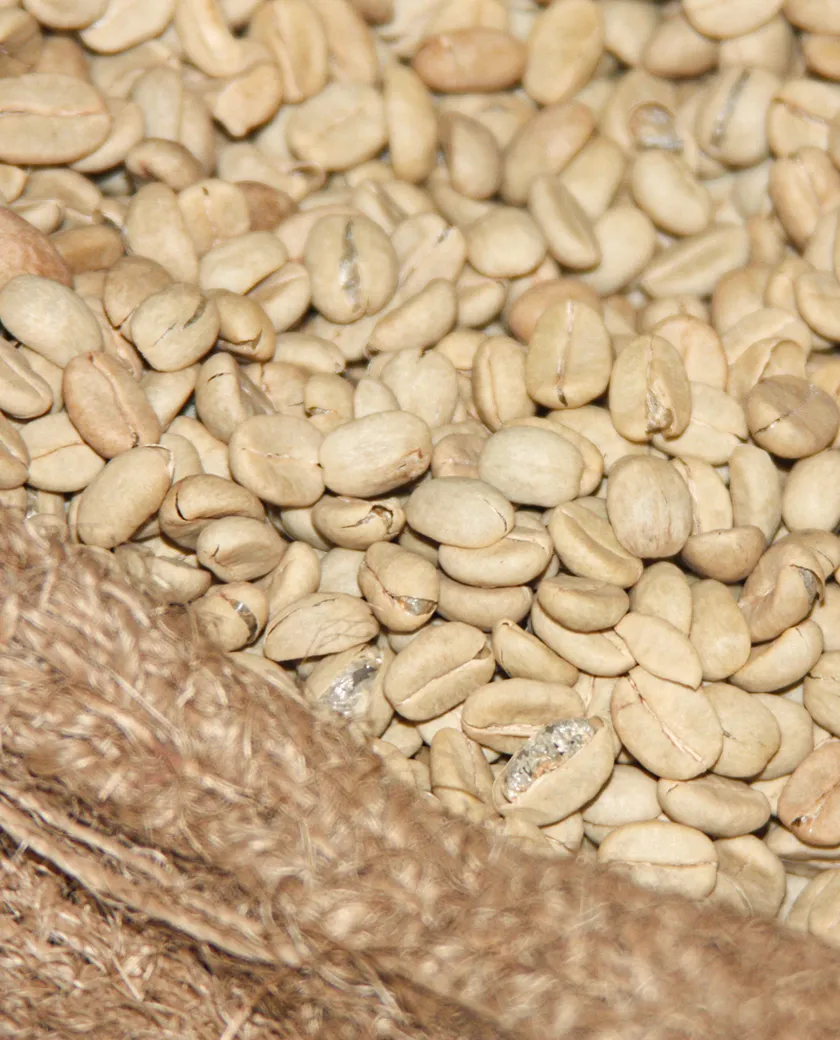
In dry processing, the oldest method, the coffee cherries are dried until the beans inside can be peeled out without leaving any residue. The cherries, which are as evenly ripe as possible, are spread out on concreted or paved drying areas and constantly turned to prevent them from rotting. The drying phase lasts three to five weeks; the right degree of dryness is reached when the beans contained in the cherries rattle when shaken.

Semi dry processing

For semi-dry processing, the pulp is largely separated from the coffee cherries and washed in a mechanical process with the addition of water. Without fermentation, the coffee dries in the parchment skin and is then mechanically detached from it.

Wet processing

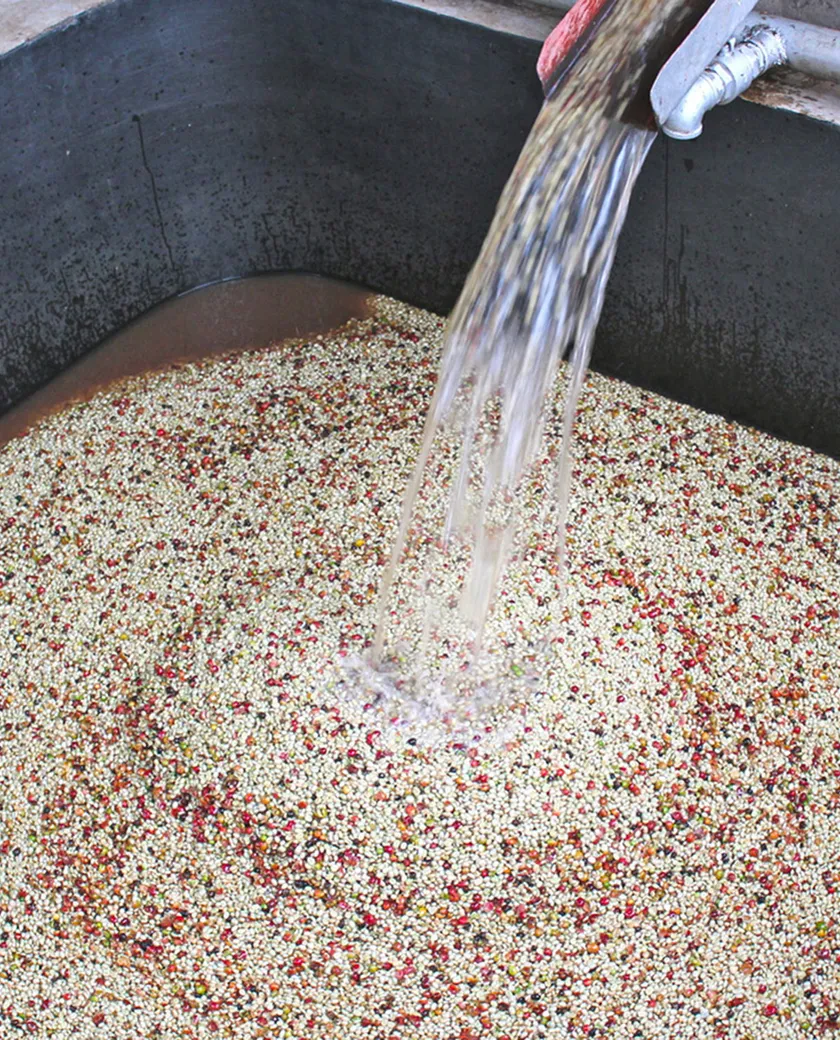
Finally, during wet processing, the fresh and ripe coffee cherries are cleaned of impurities either by hand or mechanically and pre-sorted in water tanks; the cherries are then sent through the pulper. In this machine, the pulp is squeezed from the bean so that it remains undamaged in its parchment shell, which is still surrounded by a layer of mucilage. At the same time, the excess pulp is separated from the beans. The coffee is then further selected in flushing channels and by means of sieving, before the residual mucilage is removed in fermentation tanks in a fermentation process. After washing, the coffee is dried.

Dry or wet: two paths to aroma

The types of processing do not provide any information about the quality of the beans; the differences in flavour between a dry or wet-processed variety only become apparent after the roasting process, with dry-processed coffee, for example, having significantly more basic sweetness as the sugar migrates by osmosis from the pulp into the interior of the bean. Dry-processed coffee is therefore ideal for espresso coffee. More fruit, on the other hand, is found in the washed bean.