Your shopping cart is empty
The finest aromatic substances lie dormant in the coffee bean. Grinding opens up the cells of the beans, releasing all the aromas and ingredients. These can then dissolve in the hot water.
Your shopping cart is empty
The finest aromatic substances lie dormant in the coffee bean. Grinding opens up the cells of the beans, releasing all the aromas and ingredients. These can then dissolve in the hot water.
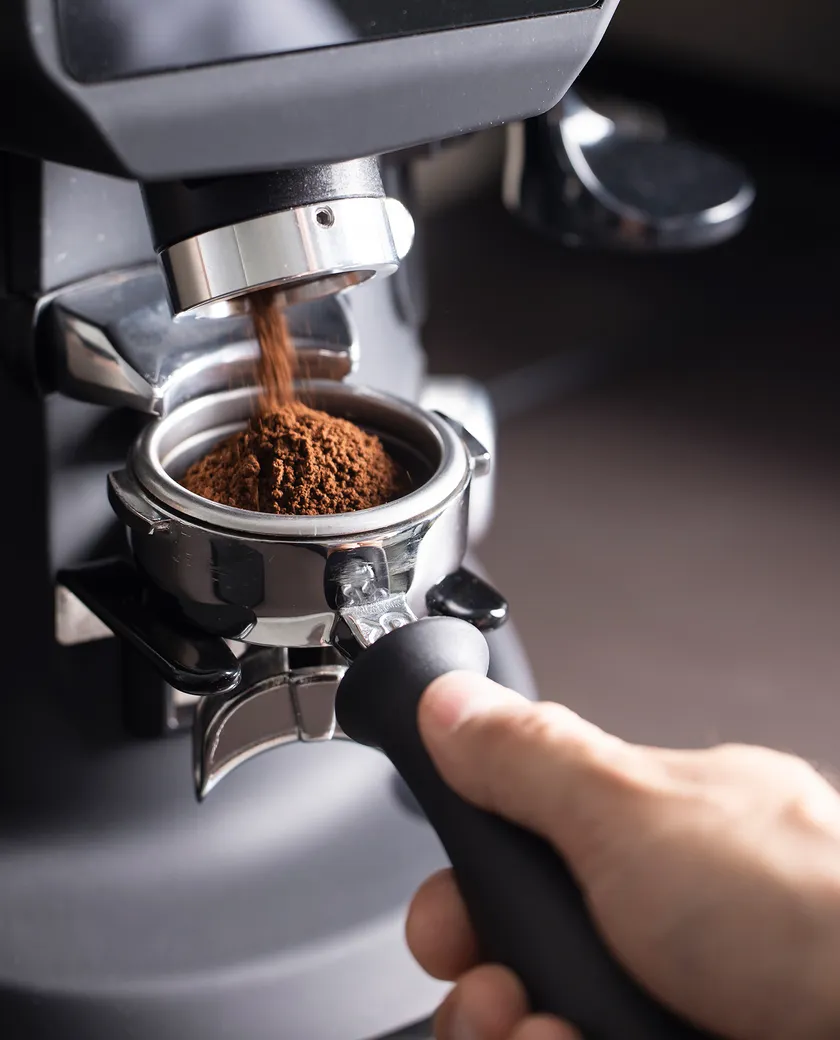
The grind size defines the size and the number of particles into which a bean is crushed. It is decisive for the extraction time. This is the time that the water takes to dissolve the desired ingredients, such as aromas, oils, etc., from the ground coffee. For comparison: filter coffee is broken down into approx. 500-800 particles, espresso into approx. 3,500 particles.
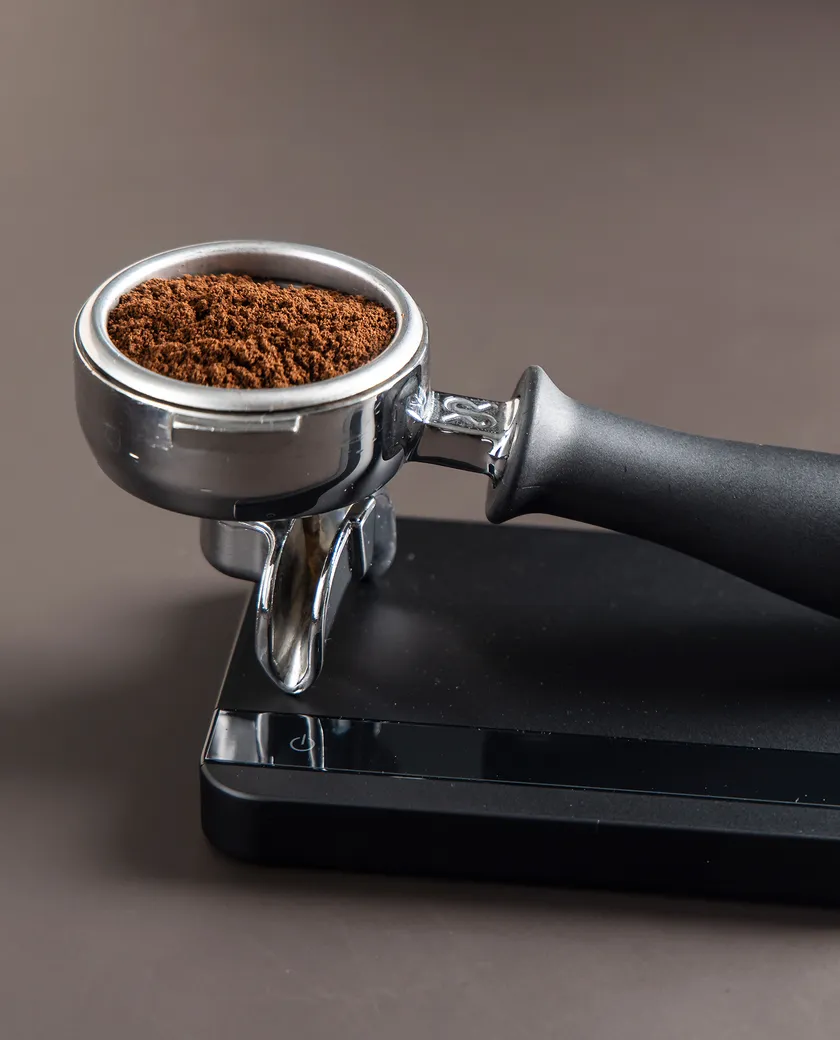
Particle size of ground coffee
The particles produced by grinding coffee beans are not identical, but vary in size. The particle size is measured in microns. The particle size and size distribution of ground coffee have a significant influence on the extraction level and the taste quality of the coffee. This is why the particle sizes and size distributions of ground coffee have to be monitored.
Particle size distribution
The traditional method of determining the particle size distribution of ground coffee is sifting. However, measurements by sifting are slow and often do not accurately reflect the proportion of fines in the coffee, resulting in variations in brewing strength. Particle size analysis using the laser method is a common alternative to sifting for the determination of the size distribution of particles in coffee grinds.
Too coarsely ground: Not all important ingredients of the coffee are dissolved. The water flows through the powder too quickly. The coffee is therefore underextracted: it will be thin and acidic and taste empty.
Too finely ground: Undesirable ingredients, e.g. bitter compounds and cellulose, are also dissolved. The beverage tastes bitter, too strong and harsh, the aroma is masked.