Shopping cart
(0 items)

Your shopping cart is empty

Journey to the original homeland of coffee - Alps Coffee on a visit to Ethiopia

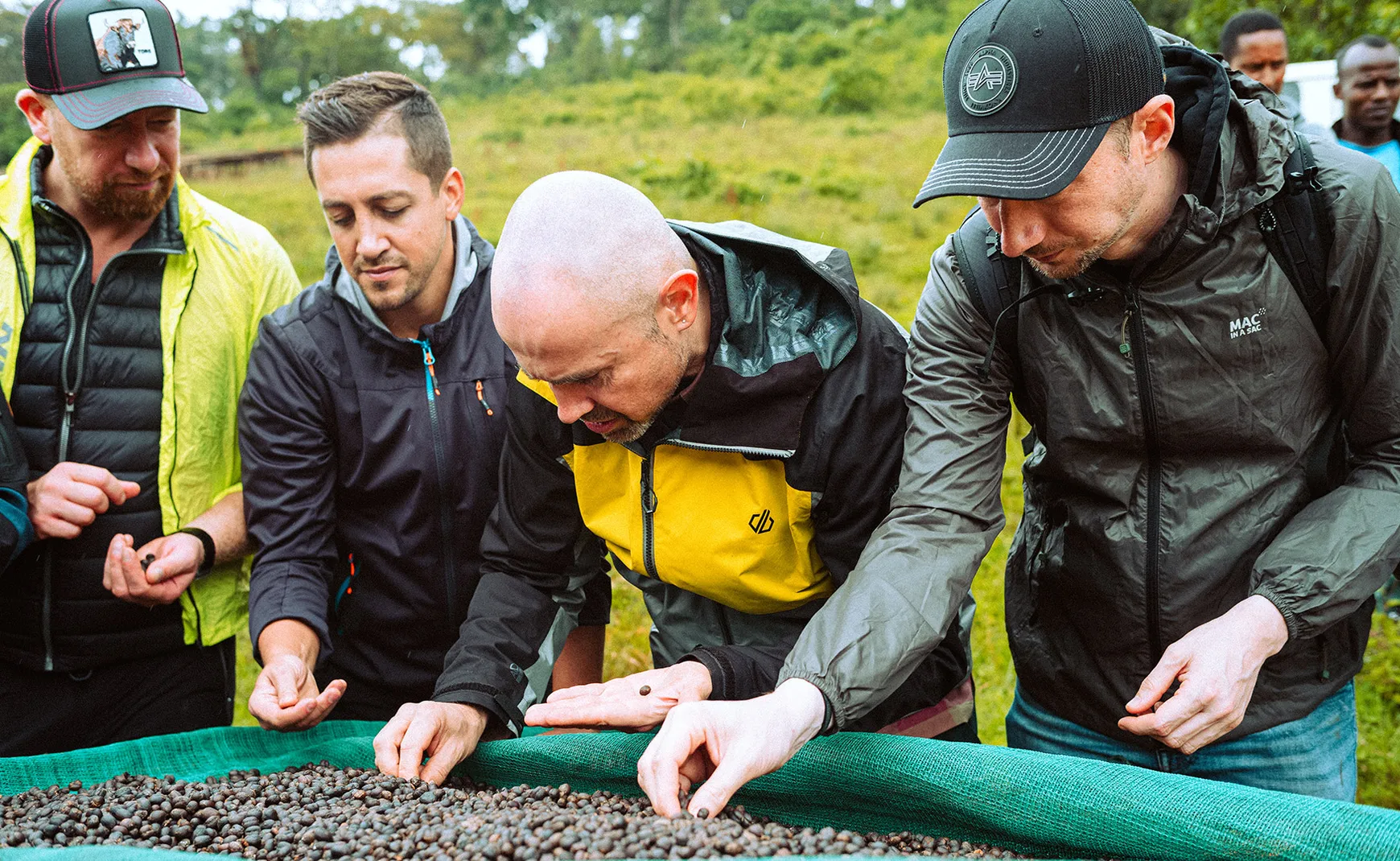
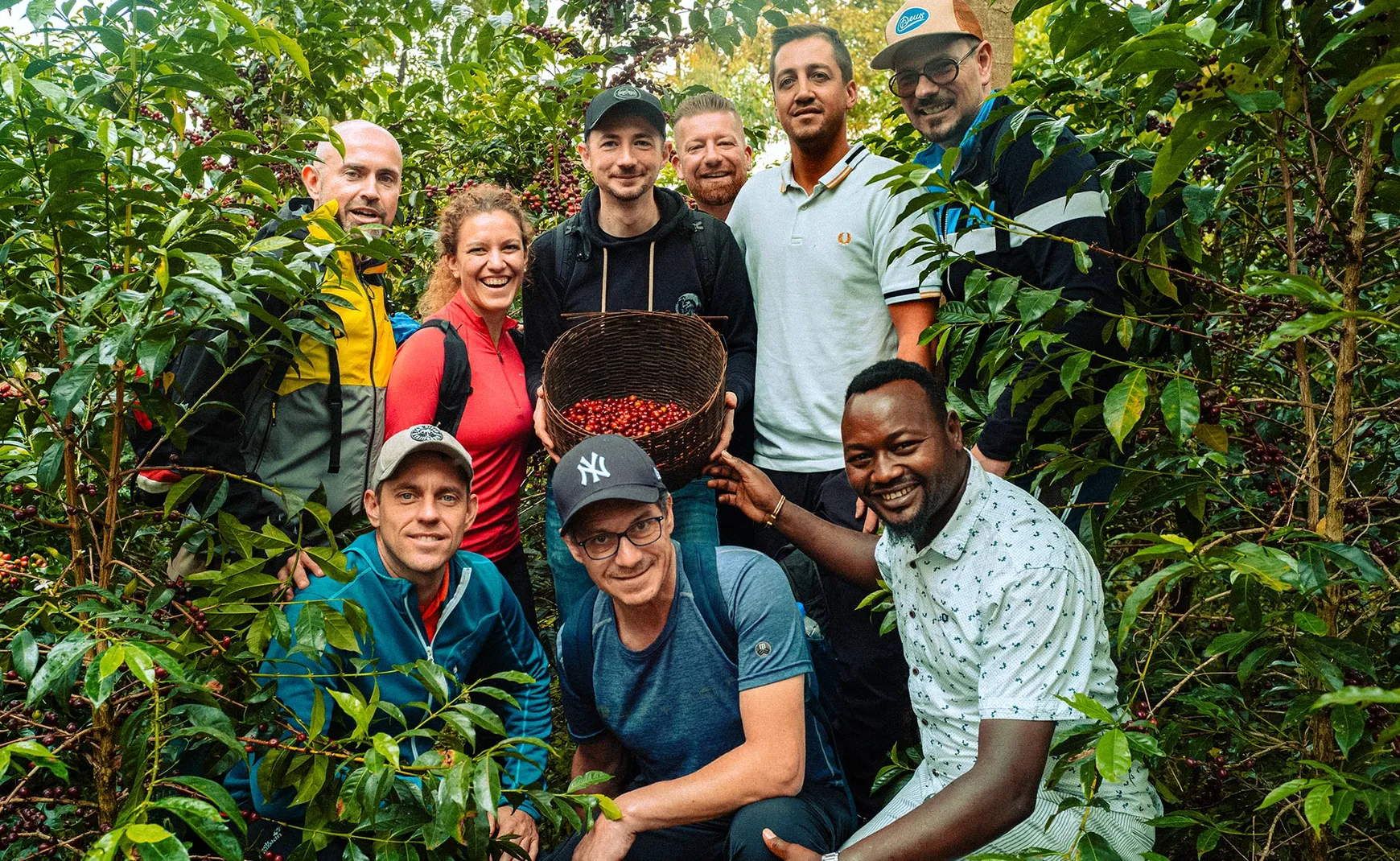
The East-African country is the cradle of coffee – and the destination of a journey, which took a small team of eight from Alps Coffee back to the roots of coffee production last November. November is the harvesting season in Ethiopia – so this was the ideal time to travel. Thus, the group first went to the Fairtrade plantation, where the red coffee cherries are harvested in a sophisticated picking process. Conditions in the highlands of Ethiopia are ideal for growing high-quality arabica beans.
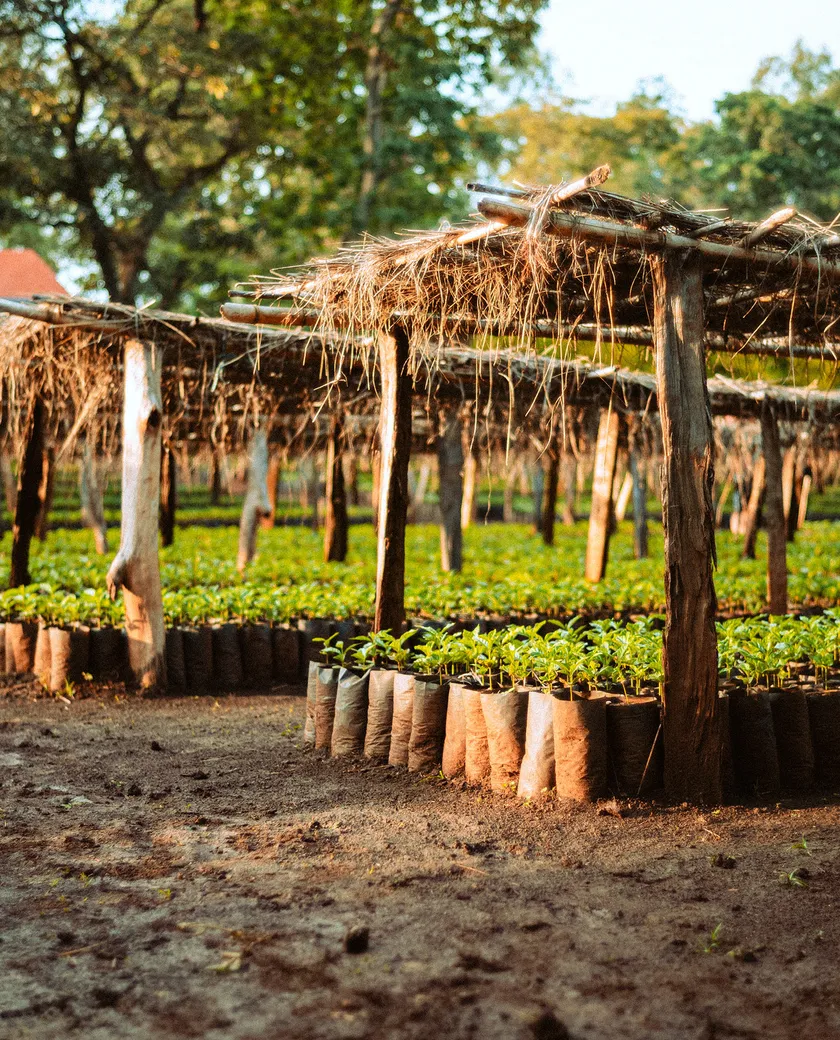
After the visit to the plantation the group went right on to the production facilities, where the travellers were shown how the pulp and the outer fruit skin are removed from the coffee beans in the dry or wet process and then sorted by hand again. It is impressive to see how much manual labour goes into the harvesting and processing of coffee! Although this is by no means the end of the process chain! For at this point the beans are packed into large jute bags and taken to the warehouses round the big cities of the country. This is where the last layer – the parchment skin – is removed from the bean mechanically. It is only at this point that the raw coffee is packed into the bags for marketing.

In Ethiopia coffee is of particularly high significance. Not just because there are between 6,000 and 15,000 varieties – and probably even more, but because the coffee ceremony is a fixed part of everyday life in Ethiopia and an important social link. The travellers learned that the coffee grounds are usually brewed three times. The first infusion is reserved for the man or the elder, the second for the wife and the third for the children. This is probably not so much for hierarchical reasons, but rather because the coffee becomes weaker and more wholesome with every infusion. The journey to the roots of coffee ended after four days. The participants returned with a lot of new information, lasting impressions of a fascinating country and the realisation that coffee links people – on all levels.

Coffee roots

Coffee originally came from Ethiopia. Via trade routes, it reached Arabia in the 14th century, where it became the new "wine of Islam" under the name "Kahwah". In the 16th century coffee spread further via the Ottoman Empire and finally reached Europe.

Coffee house culture

In 1554, the first coffee house on European soil was founded in Constantinople. This was followed by Oxford (1650), Marseille (1671), Paris (1672) and Vienna (1683). In England, the coffee house developed into the exclusive club; in the rest of Europe, it became the ordinary café.

Coffee legend

There are numerous myths and stories surrounding the discovery of coffee. According to one legend, around 850, a shepherd from Kaffa observed how his goats became livelier when they ate coffee cherries. Curious, he tried them himself ... and coffee history took its course.

Coffee monopoly

Until the 17th century, the Arab world had a monopoly on the coffee trade. This coincided with the beginnings of colonisation, when Dutch and English sailors spread the coffee plant in their colonies all over the world.